In the hyper-competitive arena of corporate finance, the Initial Public Offering (IPO) is frequently hailed as the ultimate litmus test of a company’s maturity. For founders and early-stage investors, it often represents the quintessential exit strategy. However, the traditional IPO path is paved with staggering costs, exhaustive regulatory burdens, and a level of market exposure that isn’t always aligned with shareholders’ best interests.
Consequently, savvy executives are increasingly looking toward sophisticated alternatives to achieve public status: specifically through SPACs or the strategically agile Reverse Merger.
The “Backstage Pass” to Public Markets
If a traditional IPO is a meticulously choreographed gala event, a Reverse Merger is akin to having exclusive “backstage” access. It allows a company to enter the arena through a private entrance—avoiding the full ticket price, the grueling queues, and the unpredictability of the front gate. This process is accelerated, cost-effective, and notably less sensitive to the volatile whims of the stock market. For ambitious private firms, the reverse merger is not merely an alternative; it is a high-speed strategic pivot.
In this analysis, we explore:
-
The Mechanics of the Reverse Merger
-
Core Advantages: Speed, Control, and Capital Efficiency
-
Critical Risk Assessment
How the Reverse Merger Functions
In a reverse merger, a private company acquires a majority stake in a publicly traded shell company. Investors generally choose between two types of vehicles:
-
Operating Shells: Companies with a prior business history and an existing shareholder base.
-
Shelf Companies (or “Blank Check” Shells): These are “clean” entities already listed on an exchange but devoid of active commercial operations or significant assets.
By merging with such an entity, the private firm “assumes” the public status of the shell. The private company’s shareholders swap their equity for a controlling interest in the public shell. In a single, streamlined transaction, the private enterprise is transformed into a publicly traded corporation.
Key Advantages: Why Opt for the “Backdoor”?
1. Accelerated Time-to-Market
A traditional IPO is a marathon, typically requiring 6 to 18 months of grueling preparation. This involves appointing investment banks, conducting global roadshows, and filing complex registration statements like the SEC Form S-1, all while praying for a “perfect market window.” In contrast, a reverse merger can often be finalized within 30 to 90 days. This efficiency allows management to remain laser-focused on core business operations and capital raising, rather than being consumed by the “IPO circus.”
2. Radical Cost Efficiency
The traditional listing process is a lucrative revenue stream for “gatekeepers”—corporate lawyers, underwriters, and consultants. Between underwriting fees (often 7% of proceeds) and massive marketing budgets for roadshows, the costs are astronomical and often “sunk” even if the deal fails. While a reverse merger is not free (requiring shell acquisition and legal fees), it systematically circumvents the massive banking commissions associated with a traditional debut.
3. Valuation Certainty and Pricing Control
In a standard IPO, the listing price is subject to “procedural risk.” If the market fluctuates during the week of the launch, the IPO can be pulled, leaving the company with nothing but millions in unpaid legal bills. The reverse merger, however, is a process-driven event, not a valuation-driven one. The deal is struck directly between the private firm and the shell company. You secure the public status first, then prove your valuation to the market over time through performance.
4. Immediate Liquidity and M&A Currency
Gaining public status provides immediate access to a liquid currency: public shares. This allows the company to:
-
Execute extraordinary financial operations (acquisitions) using stock instead of cash.
-
Access immediate liquidity through Lombard Credits (leveraging shares as collateral), subject to lock-up periods.
-
Attract and retain top-tier talent via Stock Option plans that carry real, transparent market value.
Navigating the Critical Risks
Despite its tangible benefits, the reverse merger is not without its “blind spots.” Before embarking on this path, rigorous Due Diligence is non-negotiable. Public shells—especially those with an operational history—can carry “toxic” baggage: hidden debts, pending litigation, or unresolved regulatory issues. A superficial audit can miss ethical or compliance red flags that, once discovered by the public market, could trigger a catastrophic loss of investor confidence and a collapse in share price.
Final Strategic Takeaway
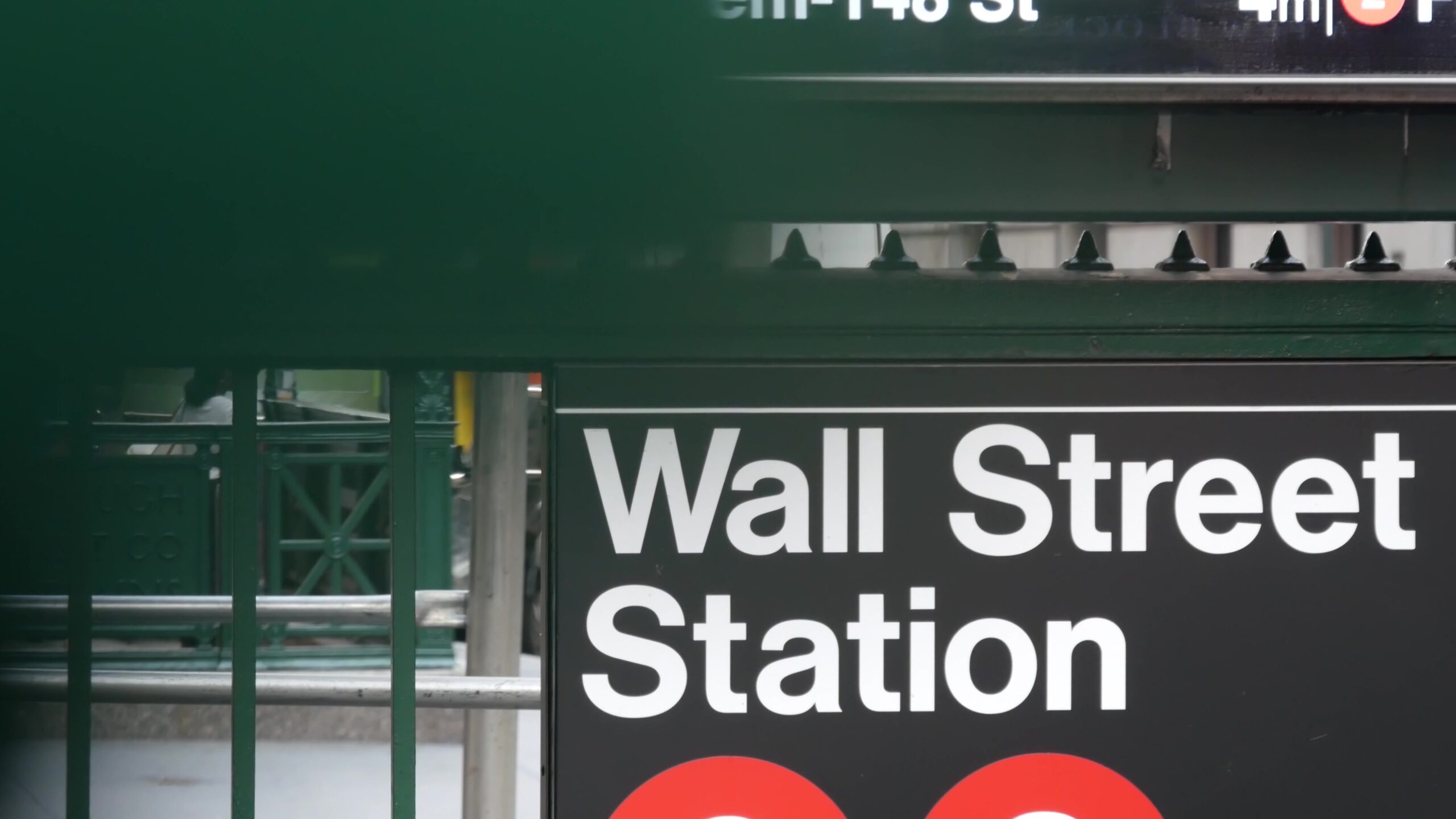
The Reverse Merger is a sophisticated instrument designed for companies that prioritize liquidity, acquisition currency, and prestige over the pomp and ceremony of a traditional Wall Street debut. It is a path that favors speed and strategic control. For a company with a robust business model that is skeptical of “dancing for the bankers,” merging into a shell may be the most efficient move on the corporate chessboard.

- M&A SPAC Advisory: Navigating the Fast-Track to Public Markets - April 6, 2026
- The Backdoor to Wall Street: Strategic Insights into Reverse Mergers - April 3, 2026
- The Evolution of Private Equity in the Renewable Energy Sector - February 29, 2024